
Replacing a water heater in Omaha is one of those projects you usually do not plan for, and it can quickly turn into a confusing choice between electric and gas units. You might be staring at an old tank that is starting to leak, or dealing with no hot water at all, and trying to make a smart decision without weeks of research. You are probably thinking about cost, how fast you can get hot water back, and whether switching fuel types makes sense.
That decision is not just about what is in stock. The fuel type you choose affects installation cost, monthly utility bills during Omaha’s long winters, and how well the heater keeps up with showers and laundry. A gas heater can perform very differently from an electric one in a Dundee bungalow with an existing chimney compared to a newer all-electric home in northwest Omaha.
At PlumbRite, we have been installing and repairing gas and electric water heaters in Omaha and Bellevue since 2018, backed by more than 20 years of combined plumbing experience. Several members of our team teach plumbing at vocational schools, so we are used to explaining these choices clearly and practically. We also provide transparent, upfront pricing before any work begins, so you can compare electric and gas options with confidence.
How Electric & Gas Water Heaters Work
Understanding the basics makes the comparison easier.
An electric storage water heater uses one or two heating elements inside the tank. Thermostats sense water temperature and cycle the elements on and off to maintain the set temperature. Power comes from a dedicated circuit at your electrical panel, and the elements transfer heat directly into the water.
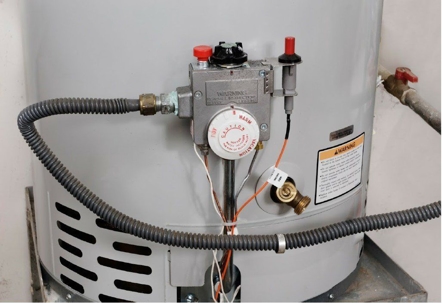
A gas storage water heater uses a burner beneath the tank fueled by natural gas. A control valve and thermostat regulate when the burner fires. The flame heats the bottom of the tank, and hot combustion gases travel up a flue or vent pipe that carries exhaust outside while transferring additional heat into the water.
These differences affect performance. Gas burners typically deliver more heat per hour, which can mean faster recovery after heavy use. Electric elements heat more steadily and often recover more slowly at the same tank size. In Omaha, where incoming water is much colder in January than in July, recovery speed becomes more noticeable for busy households.
When we evaluate your system, we explain how your current heater operates and what would change if you switch fuels. You are not just choosing a label—you are choosing how the system will behave in your home.
Installation Costs & Infrastructure
Homeowners often focus on the tank price, but installation requirements often make the biggest difference.
If your Omaha or Bellevue home already has a gas water heater, replacing it with a similar gas unit can be straightforward. The gas line, venting, and combustion air setup are typically already in place. In that case, total installation costs may be similar across gas models.
Switching from electric to gas is more involved. A gas heater requires:
- A properly sized gas line
- Safe venting to the exterior
- Adequate combustion air
In finished basements without existing flues, routing a vent can require additional labor. That added work changes the total project cost.
Electric heaters need a dedicated circuit with the correct breaker and wire size. A like-for-like electric replacement is usually simple if the wiring is already adequate. However, upgrading to a larger unit or switching from gas to electric may require panel upgrades in older Omaha homes where capacity is limited.
At PlumbRite, we inspect the entire setup—gas lines and venting for gas systems, electrical supply and panel capacity for electric systems. We then provide upfront pricing that reflects the real installed cost, not just the tank price.
Operating Costs & Efficiency
After installation, most homeowners care about monthly bills.
In much of the Midwest, natural gas typically costs less per unit of heat than electricity. That often gives gas heaters a fuel-cost advantage in Omaha, especially during winter when cold groundwater requires more heating.
Efficiency ratings also matter. Electric heaters often have higher efficiency ratings because nearly all electrical energy becomes heat in the water, with no flue losses. Gas heaters lose some heat through exhaust gases.
However, efficiency alone does not determine operating cost. If electricity costs significantly more per unit of energy, an efficient electric heater can still cost more to run than a moderately efficient gas unit.
Usage patterns matter too:
- Smaller households with moderate use may see only a modest cost difference.
- Larger families running multiple showers, laundry, and dishwashers daily may see a clearer advantage with gas.
We discuss these factors realistically instead of promising exact savings. The right choice depends on how your household actually uses hot water.
Performance & Recovery in Cold Winters
Comfort matters just as much as cost.
Recovery time is how quickly the heater reheats water after use. Gas models often recover faster because they have higher input rates. That typically translates into higher first-hour ratings—the number of gallons a heater can deliver in the first hour starting with a full tank.
For families taking back-to-back showers on winter mornings, recovery speed makes a noticeable difference.
Omaha’s winter groundwater temperatures are significantly colder than summer temperatures. That means the heater must work harder to reach your set temperature. Gas units often overcome that cold starting point faster, which can benefit larger households during peak demand.
That said, electric heaters can perform very well when properly sized for smaller homes or households with staggered usage. The key is matching tank size and fuel type to daily routines.
During our in-home visits, we ask about:
- Number of occupants
- Bathroom count
- Laundry frequency
- Back-to-back shower habits
Then we compare first-hour ratings and recovery performance to recommend a system that works in January—not just in theory.
Safety & Maintenance
Both fuel types are safe when properly installed, but their risks differ.
Gas water heaters involve combustion. They require:
- Proper venting to remove exhaust gases
- Adequate combustion air
- Secure gas connections
Improper venting can allow carbon monoxide to enter the home. Gas leaks can create fire hazards. That is why we carefully inspect vent routing, gas line sizing, and connections on every installation.
Electric water heaters do not involve combustion, so they do not require venting. Their safety considerations focus on proper wiring and breaker sizing. Incorrect electrical installation can cause overheating or tripping.
Both types benefit from routine maintenance:
- Periodic tank flushing to remove sediment
- Anode rod inspection and replacement
- Visual checks for leaks or corrosion
In Omaha’s water conditions, sediment buildup can shorten tank life if ignored. With proper installation and maintenance, many storage water heaters last around a decade or longer, depending on usage and water quality.
We also take time to show you shutoff valves, breaker locations, and basic maintenance steps before we leave.
Choosing the Right Fit for Your Home
There is no universal answer.
An older Omaha home with existing gas infrastructure and a large family may benefit from staying with gas. The combination of lower fuel cost and strong recovery often fits high-demand households.
A newer all-electric home in Bellevue or northwest Omaha may be better suited to a well-sized electric replacement, especially if running new gas lines and venting would be disruptive.
Hybrid scenarios exist too. A homeowner planning a panel upgrade may consider switching fuels. Another homeowner with no practical vent route may decide electric is simpler.
We also discuss long-term plans:
- Are you finishing the basement?
- Adding bathrooms?
- Planning to stay long-term?
Those factors influence whether your choice will still make sense years from now.
Because PlumbRite focuses on solutions rather than sales quotas, we recommend whichever fuel type best fits your infrastructure, usage, and future plans.
How We Help You Decide
During a water heater visit, we:
- Inspect your current unit and available space.
- Evaluate gas lines and venting or electrical capacity.
- Discuss household usage patterns.
- Present electric and gas options that fit your setup.
- Provide clear, upfront pricing for each path.
If your heater has failed unexpectedly, our 24/7 emergency service allows us to respond quickly while still explaining your options. Whether it is a straightforward replacement or a fuel-type conversion, we approach each project carefully and professionally.
We also offer financing options for larger projects, such as panel upgrades or new vent installations.
Our goal is simple: you should feel confident that you chose the right system for your home and had it installed safely and correctly.
Talk Through Your Options
Electric and gas water heaters both offer real advantages in Omaha. The better choice depends on your utilities, household habits, infrastructure, and how you balance upfront cost with long-term operating expenses.
A rushed decision based only on tank price can lead to higher bills or comfort issues during winter. A thoughtful decision, guided by experienced local plumbers, provides reliable hot water without surprises.
If you are replacing a failing heater or planning ahead, contact PlumbRite. We will inspect your setup, explain the tradeoffs clearly, and provide transparent pricing so you can choose with confidence.