
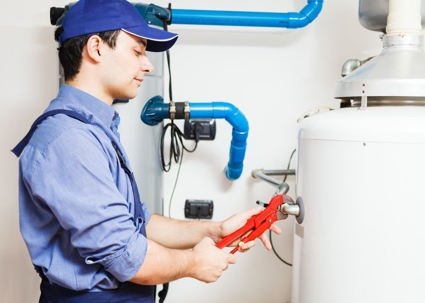
Your water heater is essential for daily comfort, providing everything from hot showers to warm water for cleaning and laundry. In Omaha, specific challenges related to water quality, temperature changes, and local infrastructure mean water heaters work harder than in other places. If you experience problems with hot water, notice leaks, or find rust in your water, it is crucial to know whether you can fix the issue yourself or need the support of a trusted professional. Understanding the most common water heater issues, what causes them, and when to call for water heater repair in Omaha helps you make smart decisions to keep your home running smoothly.
What Are the Most Common Water Heater Problems in Omaha Homes?
Many Omaha homes experience water heater problems due to hard water, which contains a high concentration of minerals. Over time, these minerals build up inside the tank, leading to sediment accumulation that can block heating elements and reduce efficiency. As a result, you may notice your water taking longer to heat up or running out of hot water faster than usual. Sediment buildup often causes your unit to make banging or popping noises as it works overtime to heat water through the mineral layer. This problem is especially pronounced in Omaha neighborhoods with older pipes and municipal water containing more calcium and magnesium.
Tank leaks represent another widespread water heater issue. Corrosion is common when sediment or mineral buildup prevents the anode rod from protecting the tank lining. Rust and corrosion can eat through the metal, eventually causing leaks or complete tank failure. Leaks that begin as slow drips often become sudden and severe, risking water damage, mold, and expensive repairs. Regular inspections help catch early warning signs, like moisture around the base or rust spots on the exterior of the tank.
Other typical problems include pilot light failures, faulty thermostats, and broken temperature or pressure relief valves. Omaha’s winter freeze-thaw cycles can strain pipes and fittings, while our summer humidity may cause gas-powered units to struggle with faulty ignitors. These issues often mean water heaters in our region require more regular attention and occasional professional maintenance to run safely and efficiently.
When Can You Fix a Water Heater Yourself & When Should You Call a Professional?
Some water heater problems have simple solutions you can address on your own, such as relighting a pilot light, resetting a tripped breaker, or adjusting the thermostat. If your water heater loses power, always check the breaker box first and ensure the unit is plugged in. In some models, a misadjusted thermostat can be corrected quickly, providing immediate relief and restoring regular hot water service. These tasks are safe for most homeowners if completed with care and proper instructions.
Persistent leaks, standing water, or visible rust around the unit’s base are more serious warning signs. If water continues to appear after wiping up a leak, the tank or its connections may have reached the end of their lifespan. Odd smells, such as the sulfur-like scent of natural gas, demand immediate attention from professionals—evacuate your home and contact a licensed technician whenever you detect gas. Other urgent issues requiring professional help include:
- Repeated pilot light or ignitor failures, especially after multiple resets
- Loud banging, popping, or whistling noises from the tank
- Hot water that appears rusty, smells metallic, or is discolored
- Electrical or burning smells near the unit
Trying to address these complex malfunctions on your own can lead to safety hazards, property damage, or voided warranties. When in doubt, a call to a seasoned local plumbing team such as PlumbRite brings peace of mind and reliable solutions.
If your water heater needs frequent repairs or struggles to keep up with routine demand, consider scheduling a professional inspection. A team with years of proven expertise can offer an in-depth diagnosis, explaining whether a simple repair or full replacement is the best option for your budget and home.
How Does Omaha’s Water Quality Affect the Lifespan of Your Water Heater?
Omaha’s hard water isn’t just a minor inconvenience—it’s one of the leading causes of premature tank failure. Hard water causes sediment to collect inside the heater tank more quickly than in areas with softer water. This sediment acts as an insulator, forcing the heating element to work harder, waste energy, and, in many cases, overheat. Hard water also accelerates anode rod corrosion, leaving the tank metal exposed and more vulnerable to rust.
Most tank-style water heaters rely on an anode rod designed to attract corrosive minerals and prevent rust. In Omaha, these rods wear out faster due to the high mineral content, meaning they need more frequent replacement. Without regular checks or professional maintenance, you may not notice a failing anode rod until leaks or discoloration emerge. By the time rust appears in your water or on your tank, you’re often facing expensive repairs or a complete replacement.
Prevention is possible through annual professional maintenance, which typically includes flushing the tank, replacing the anode rod, and inspecting all valves and lines. These steps are especially valuable in Omaha’s neighborhoods with older pipes or particularly stubborn mineral buildup. Scheduling preventive water heater maintenance with a knowledgeable local team is a smart way to increase your system’s efficiency, cut utility costs, and avoid early replacement.
What Risks Do DIY Water Heater Repairs Pose?
While DIY projects are popular, water heater repairs present unique hazards that go far beyond changing a faucet or unclogging a drain. Most units operate using high-voltage electricity or combustible natural gas. Without proper training and tools, repairs can lead to serious injuries—such as electric shock, gas leaks, scalding, or even explosions. Draining the unit or replacing components requires care to avoid damaging valves, fragile pipes, or delicate electronics inside the heater.
Beyond immediate risks, tackling repairs yourself can void your water heater’s warranty. Many manufacturers require repairs to be done by licensed professionals to maintain warranty protection. Once you tamper with the tank, heating element, or gas connections, any future failure may no longer be covered. Homeowners who attempt these repairs and then later experience a major leak, fire, or gas incident may face denied insurance claims and higher out-of-pocket costs as a result.
Symptoms like loss of hot water or strange noises can indicate deeper issues with your electrical or gas lines, not just the heater itself. Professional plumbers bring years of practical insights and specialized tools to uncover hidden corrosion, faulty wiring, or system-wide problems. This thorough approach prevents a minor issue from becoming a costly emergency, protecting your home, your family, and your budget in the process.
What Warning Signs Mean You Need a Licensed Water Heater Repair Technician?
Spotting early warning signs can save you from costly breakdowns or floods. Water pooling around the bottom of your heater or dampness on the floor signals an internal leak that often demands immediate attention. Discolored, reddish-brown, or sandy hot water shows advanced rust or sediment inside your tank—problems that typically lead to leaks or heater failure. Even a slight increase in water heater noise, especially banging or rumbling, suggests severe mineral buildup is present.
Unusual odors provide another clear warning. If you notice the rotten egg smell typical of natural gas or the scent of burning plastic or overheating metal, leave your home and call a licensed plumber right away. These signs may indicate gas leaks, faulty electrical wiring, or advanced component burnout. In Omaha, heaters over eight years old that need ongoing repairs may also be reaching the end of their usable life.
Regular monitoring helps you know what’s normal for your heater and spot dangerous changes before they lead to disasters. When in doubt, consult with a locally trusted company like PlumbRite for a thorough safety check and honest repair recommendations. Early intervention often prevents bigger repairs later and keeps your home safe year-round.
Can Regular Maintenance Prevent Water Heater Breakdowns?
Regular maintenance stands as the best defense against premature system failures or costly replacements. Flushing the tank annually removes harmful mineral and sediment buildup, which improves efficiency and cuts utility bills. Checking or swapping the anode rod every few years protects tank integrity and extends its lifespan—even in neighborhoods where hard water is the norm. Periodic checks on safety valves, wiring, and temperature controls further reduce the risk of emergencies and can help spot minor issues before they escalate.
Delaying or ignoring maintenance often leads to avoidable breakdowns. Small leaks, loose connections, or early corrosion caught during routine appointments are easily fixed at a minimal cost. Left unaddressed, these issues can lead to system-wide failures, flooding, and costly property damage. By keeping up with preventive servicing, you keep more money in your pocket and more control over your family’s comfort.
Some plumbing providers offer maintenance plans with annual checkups, priority scheduling, and repair discounts. These plans are especially helpful in Omaha—where water quality and climate can challenge household plumbing.
If you want honest answers, real solutions, and the peace of mind that comes from a truly community-focused team, contact PlumbRite at (402) 623-6802. Our tradition of excellence, passion for customer service, and local roots set us apart—helping Omaha and Bellevue families stay comfortable, safe, and supported through every water heater challenge.